Features of Tractor Tankers
✔
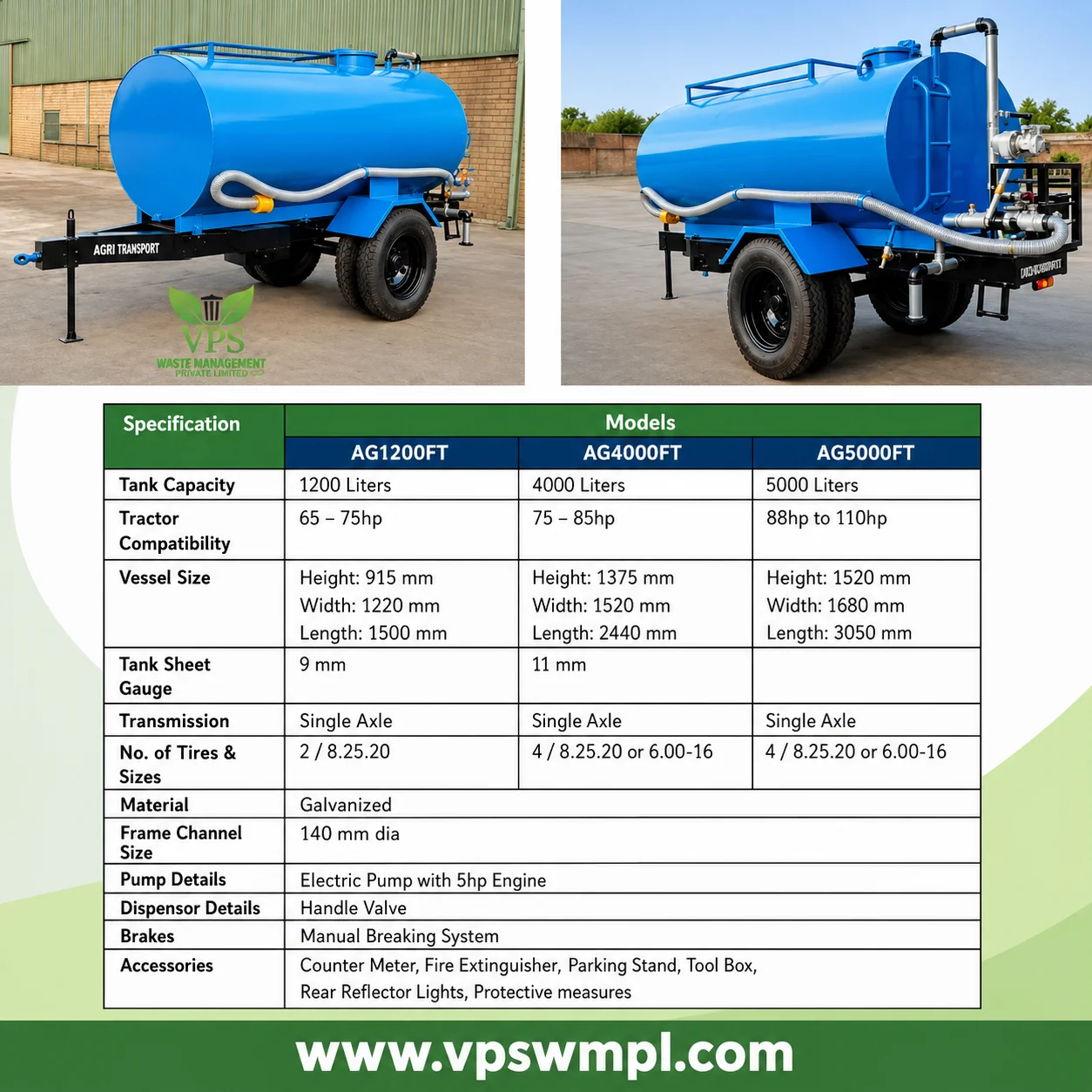
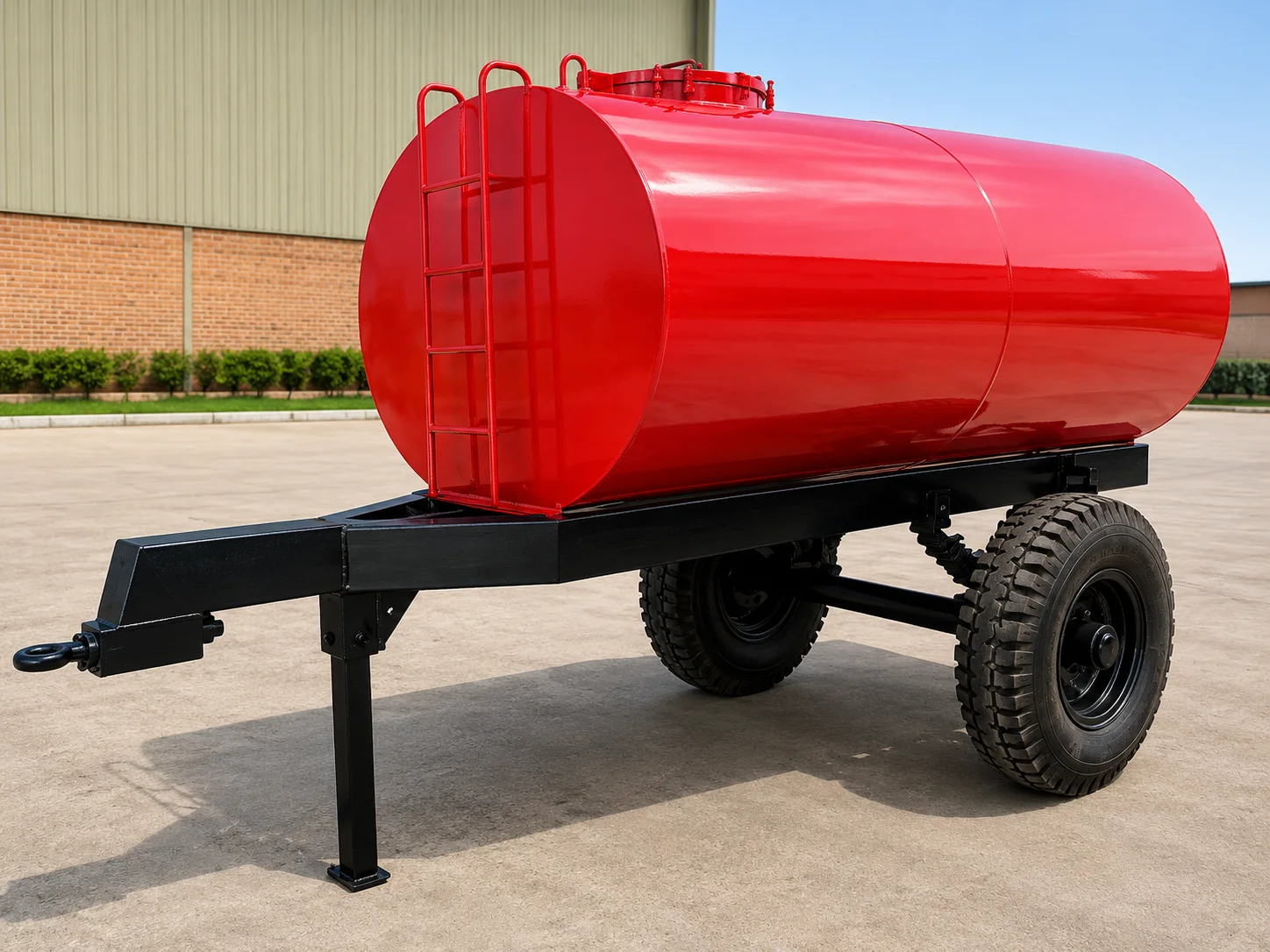
Large Capacity – Tanker trailers have significant carrying capacities, allowing them to transport large quantities of liquids or gases in a single trip, reducing the need for frequent refills or transfers.
✔
Sealing Mechanisms – To prevent leaks and spills, tankers are equipped with robust sealing mechanisms to secure the cargo during transportation, ensuring safe and efficient delivery.
✔
Safety Equipment – Tankers may be equipped with safety features such as pressure relief valves, emergency shut-off systems, and anti-roll mechanisms to prevent accidents and respond to potential hazards.
✔
Compatibility – Tanker trailers are designed to handle specific types of cargo, such as fuel, water, chemicals, food-grade liquids, or hazardous materials. The materials used for construction are chosen based on the cargo's compatibility to avoid contamination.
✔
Manifold System – Tankers often have a manifold system, which consists of pipes, valves, and connections, allowing for easy loading and unloading of the cargo.
Applications of Tractor Tankers
✔
Transportation of Fuel – Tankers are widely used for transporting petroleum products, such as gasoline, diesel, and aviation fuel, from refineries to distribution centers or gas stations.
✔
Water Supply – Tankers play a crucial role in supplying water to areas facing water scarcity or during emergencies, especially in remote or disaster-stricken regions.
✔
Chemical Transport – Tankers are used to transport chemicals, both hazardous and non-hazardous, for industrial processes or distribution to end-users.
✔
Food and Beverage Industry – Tankers are employed to transport liquids like milk, edible oils, fruit juices, and other food-grade materials from producers to processing plants or markets.
✔
Liquid Gas Transport – Tankers are used to transport liquefied gases like propane, butane, or natural gas from production facilities to storage facilities or end consumers.